
Contents
- 🐝 Origins and Ecological Significance
- ⚙️ How Bees Function in Ecosystems
- 📊 Key Facts About Bee Populations and Pollination
- 👥 Key Figures and Organizations in Bee Education
- 🌍 Cultural Resonance and Educational Impact
- ⚡ Current State of Bee Populations and Awareness
- 🤔 Controversies in Bee Conservation and Education
- 🔮 Future Outlook for Bees in Environmental Learning
- 💡 Practical Applications in Teaching
- 📚 Related Topics for Deeper Learning
- References
Overview
The study of bees as integral components of natural environments has roots stretching back to ancient observations of their pollination activities, crucial for agriculture and wild flora. Early naturalists like Charles Darwin noted the intricate relationship between bees and flowering plants, highlighting their co-evolutionary dance. The modern understanding, amplified by environmental education initiatives, emphasizes bees not just as producers of honey, but as subjects that signal the health of an entire ecosystem. This perspective is central to programs like those offered by the Xerces Society, which advocate for pollinator conservation through education and habitat restoration. The sheer diversity, from the highly social honey bees to solitary mason bees, provides a vast canvas for exploring biological complexity within educational settings.
⚙️ How Bees Function in Ecosystems
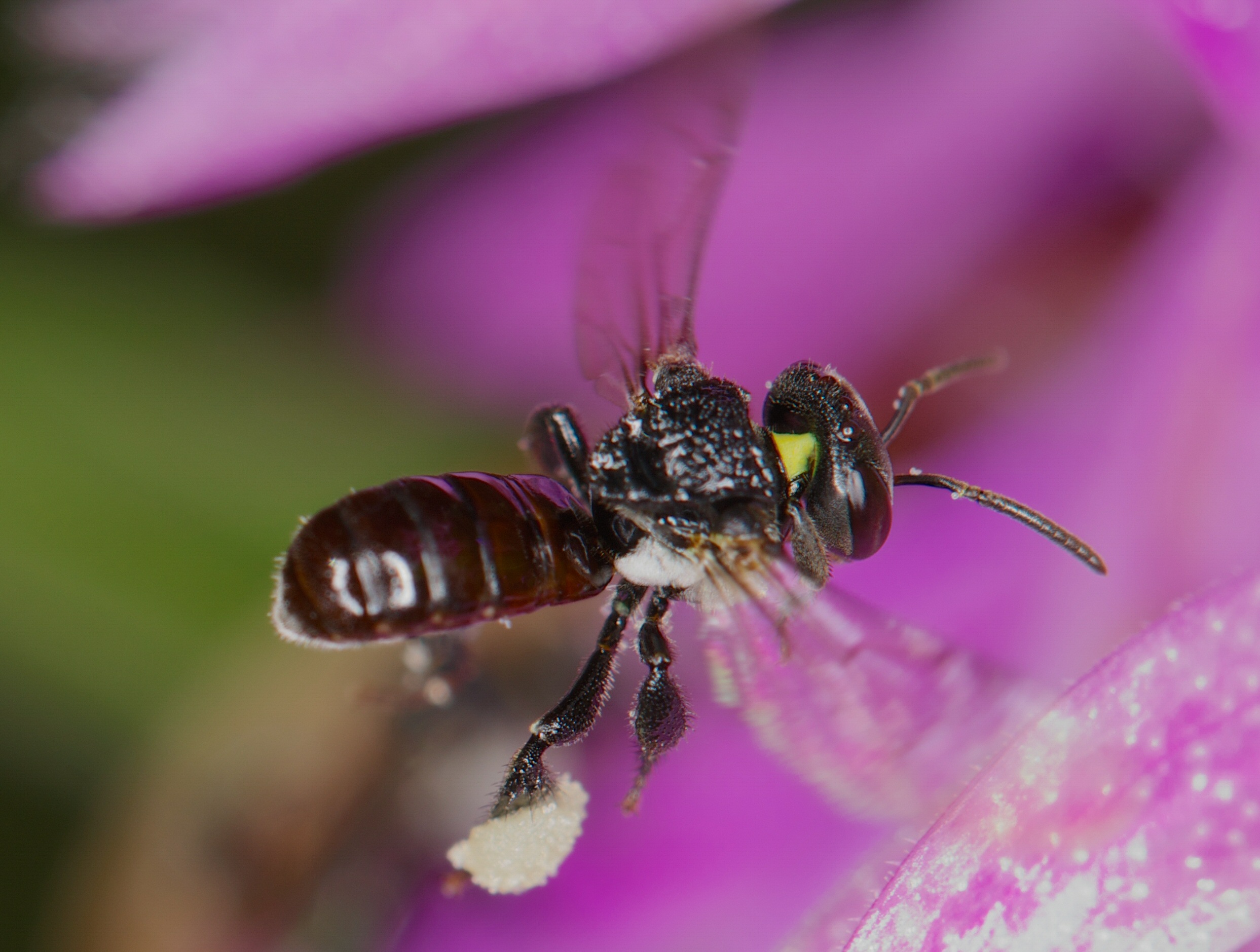
Bees function as indispensable pollinators, facilitating the reproduction of many of the world's flowering plants. Their foraging behavior, driven by the need for nectar (for energy) and pollen (for protein and nutrients), leads them to transfer pollen between flowers, enabling fertilization. This process is vital for maintaining biodiversity and supporting wild plant populations. Educational programs often demonstrate this by observing bees visiting flowers in a garden or nature reserve, illustrating the direct link between bee activity and fruit or seed production. The complex social organization of bumblebees and stingless bees also offers insights into cooperative behavior and colony dynamics, providing tangible examples of ecological interdependence.
📊 Key Facts About Bee Populations and Pollination
Globally, there are over 20,000 known species of bees. Pollination services provided by bees are valued at billions of dollars annually worldwide, underscoring their immense economic and ecological importance. Many bee populations are facing significant declines due to factors like habitat loss, pesticide use, and climate change. These statistics are frequently used in educational contexts to highlight the urgency of conservation efforts. The Bee Informed Partnership tracks honey bee colony losses, providing data often used in educational settings.
👥 Key Figures and Organizations in Bee Education
Key figures in the field of bee education and conservation include entomologists like Dave Goulson, known for his work on bumblebees and promoting pollinator-friendly gardening, and organizations such as the Pollinator Partnership, which spearheads initiatives like National Pollinator Week to raise public awareness. Educational institutions and nature centers often collaborate with local beekeepers and entomological societies to develop curricula and hands-on learning experiences. The Natural Environment Teaching approach specifically leverages these partnerships to create immersive learning environments where students can directly observe and interact with bee habitats, fostering a deeper connection to the natural world.
🌍 Cultural Resonance and Educational Impact
The cultural resonance of bees is profound, appearing in folklore, art, and literature across civilizations, often symbolizing diligence, community, and the bounty of nature. In educational contexts, bees serve as accessible ambassadors for ecological principles. Observing a bee's journey from flower to hive, or understanding the specialized roles within a colony, provides tangible lessons in biology, ecology, and social behavior. This direct engagement with nature, facilitated by educators, cultivates environmental stewardship and a sense of responsibility towards preserving these vital insects and their habitats. The iconic imagery of the bee is frequently used in educational materials to represent nature's intricate workings.
⚡ Current State of Bee Populations and Awareness
The current state of bee populations is a major focus in environmental education, with widespread reports of decline due to factors like habitat loss, pesticide use, and climate change. This alarming trend has spurred increased efforts in public awareness campaigns and educational programs aimed at fostering understanding and action. Initiatives like creating pollinator gardens in schools and communities, often guided by resources from organizations like The National Audubon Society, are becoming more prevalent. Educators are increasingly incorporating discussions about these challenges into their lessons, using bee health as a barometer for overall environmental well-being and a call to action for sustainable practices.
🤔 Controversies in Bee Conservation and Education
Debates surrounding bee populations often center on the causes and solutions for their decline. While habitat loss and pesticide exposure are widely cited culprits, the precise impact and interplay of these factors remain subjects of scientific inquiry and public discussion. Educational materials must navigate these complexities, presenting the scientific consensus while acknowledging ongoing research and differing perspectives. For instance, the role of monoculture farming versus diverse agricultural landscapes in supporting bee health is a common point of discussion, highlighting the need for integrated approaches to conservation that consider both ecological and economic factors.
🔮 Future Outlook for Bees in Environmental Learning
The future outlook for bees in natural environment teaching is one of increasing importance. As the impacts of climate change and biodiversity loss become more apparent, the role of bees as indicators of ecosystem health will only grow. Educational programs will likely expand to include more advanced topics, such as the genetic diversity of bee populations, the impact of invasive species, and the development of novel conservation strategies. The integration of citizen science projects, where students contribute to real-world data collection on bee populations, is also expected to rise, further empowering learners and fostering a generation of informed environmental stewards.
💡 Practical Applications in Teaching
Practical applications of bee knowledge in natural environment teaching are diverse. Educators can set up observation hives (under expert supervision), create pollinator-friendly gardens in schools, or conduct field trips to local apiaries and nature reserves. Activities might include identifying different bee species, mapping foraging ranges, or understanding the life cycle of a bee. These hands-on experiences not only teach ecological con
Key Facts
- Category
- nature
- Type
- topic