
Contents
- 🌎 Introduction to Gyroscopes
- 🔍 How Gyroscopes Work
- 📊 Key Facts and Applications
- 👥 Key People and Organizations
- 🌍 Cultural and Environmental Impact
- ⚡ Current State and Latest Developments
- 🤔 Controversies and Debates
- 🔮 Future Outlook and Predictions
- 💡 Practical Applications in Natural Environment Teaching
- 📚 Related Topics and Deeper Reading
- Frequently Asked Questions
- References
- Related Topics
Overview
Gyroscopes are devices used for measuring or maintaining orientation and angular velocity, with applications in various fields, including navigation, surveying, and engineering. The concept of gyroscopes has been applied in these fields. Today, gyroscopes are used in a variety of applications. With the development of new technologies, the use of gyroscopes in natural environment teaching has become more prevalent, with applications in outdoor education and environmental monitoring.
🌎 Introduction to Gyroscopes
Introduction to Gyroscopes — The concept of gyroscopes has been applied in various fields, including navigation, surveying, and engineering. Gyroscopes are devices used for measuring or maintaining orientation and angular velocity.
🔍 How Gyroscopes Work
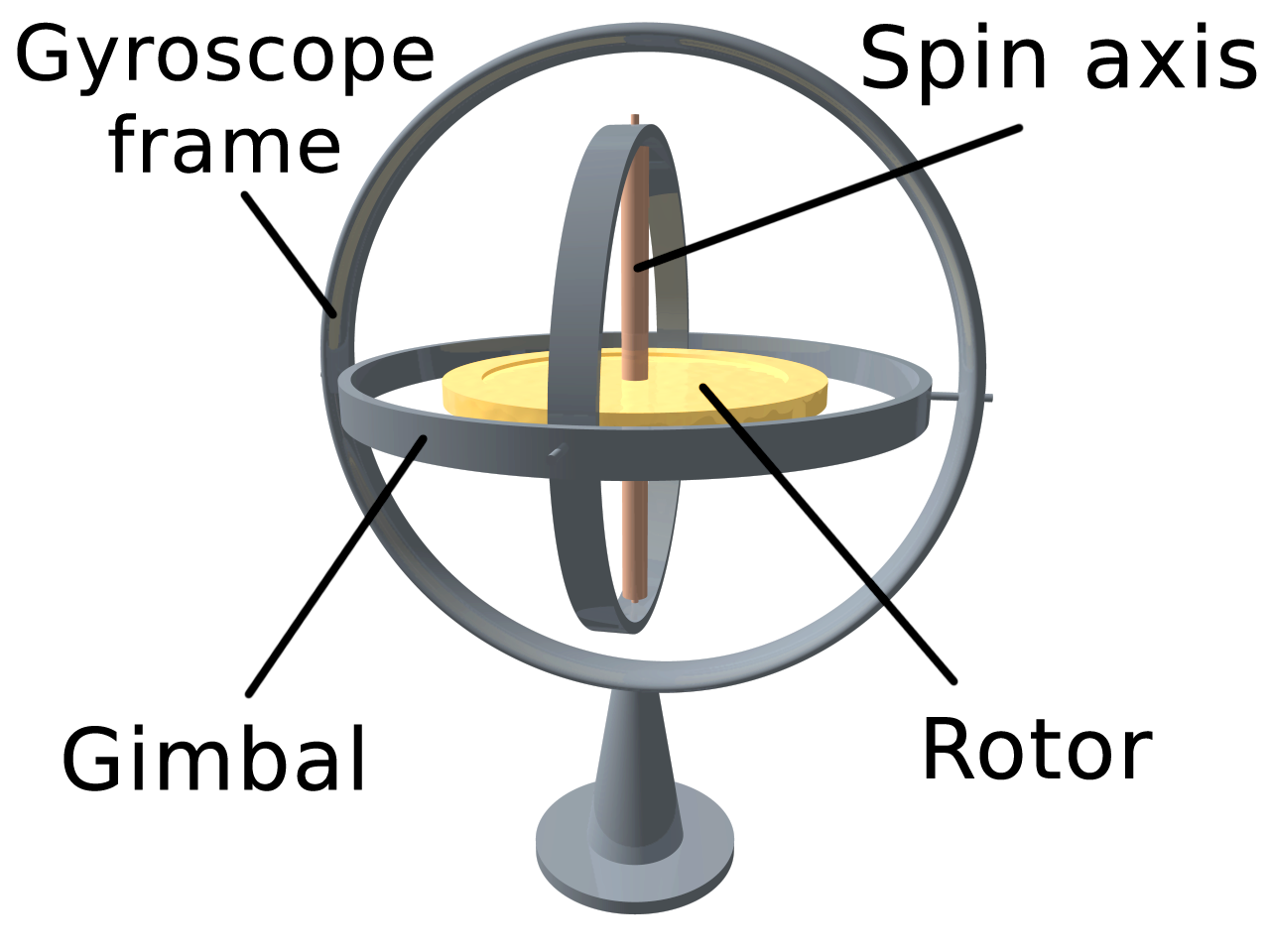
How Gyroscopes Work — A gyroscope is a device that uses a spinning wheel or disc to measure orientation and angular velocity. The axis of rotation of the wheel or disc is free to assume any orientation, allowing the gyroscope to maintain its orientation even when the mounting is tilted or rotated. This is due to the conservation of angular momentum, which keeps the axis of rotation stable. Gyroscopes can be classified into different types, including mechanical gyroscopes, laser gyroscopes, and fiber optic gyroscopes.
📊 Key Facts and Applications
Key Facts and Applications — The United States Geological Survey uses gyroscopes to measure the orientation of seismic waves and track the movement of tectonic plates.
👥 Key People and Organizations
Key People and Organizations — The development of gyroscopes has involved the contributions of many individuals and organizations.
🌍 Cultural and Environmental Impact
Cultural and Environmental Impact — The use of gyroscopes in natural environment teaching has become more prevalent, with applications in outdoor education and environmental monitoring. The Smithsonian Institution uses gyroscopes to teach students about the natural world and promote environmental awareness.
⚡ Current State and Latest Developments
Current State and Latest Developments — The use of gyroscopes in natural environment teaching has become more prevalent, with applications in outdoor education and environmental monitoring.
🤔 Controversies and Debates
Controversies and Debates — There are debates about the accuracy and reliability of gyroscopes, particularly in certain applications.
🔮 Future Outlook and Predictions
Future Outlook and Predictions — The use of gyroscopes in natural environment teaching is expected to continue.
💡 Practical Applications in Natural Environment Teaching
Practical Applications in Natural Environment Teaching — Gyroscopes have a wide range of practical applications in natural environment teaching, including outdoor education and environmental monitoring.
Key Facts
- Category
- technology
- Type
- technology
Frequently Asked Questions
What is a gyroscope?
A gyroscope is a device used for measuring or maintaining orientation and angular velocity. It is a spinning wheel or disc in which the axis of rotation is free to assume any orientation by itself.
How do gyroscopes work?
Gyroscopes work by using a spinning wheel or disc to measure orientation and angular velocity. The axis of rotation of the wheel or disc is free to assume any orientation, allowing the gyroscope to maintain its orientation even when the mounting is tilted or rotated.