
Contents
Overview
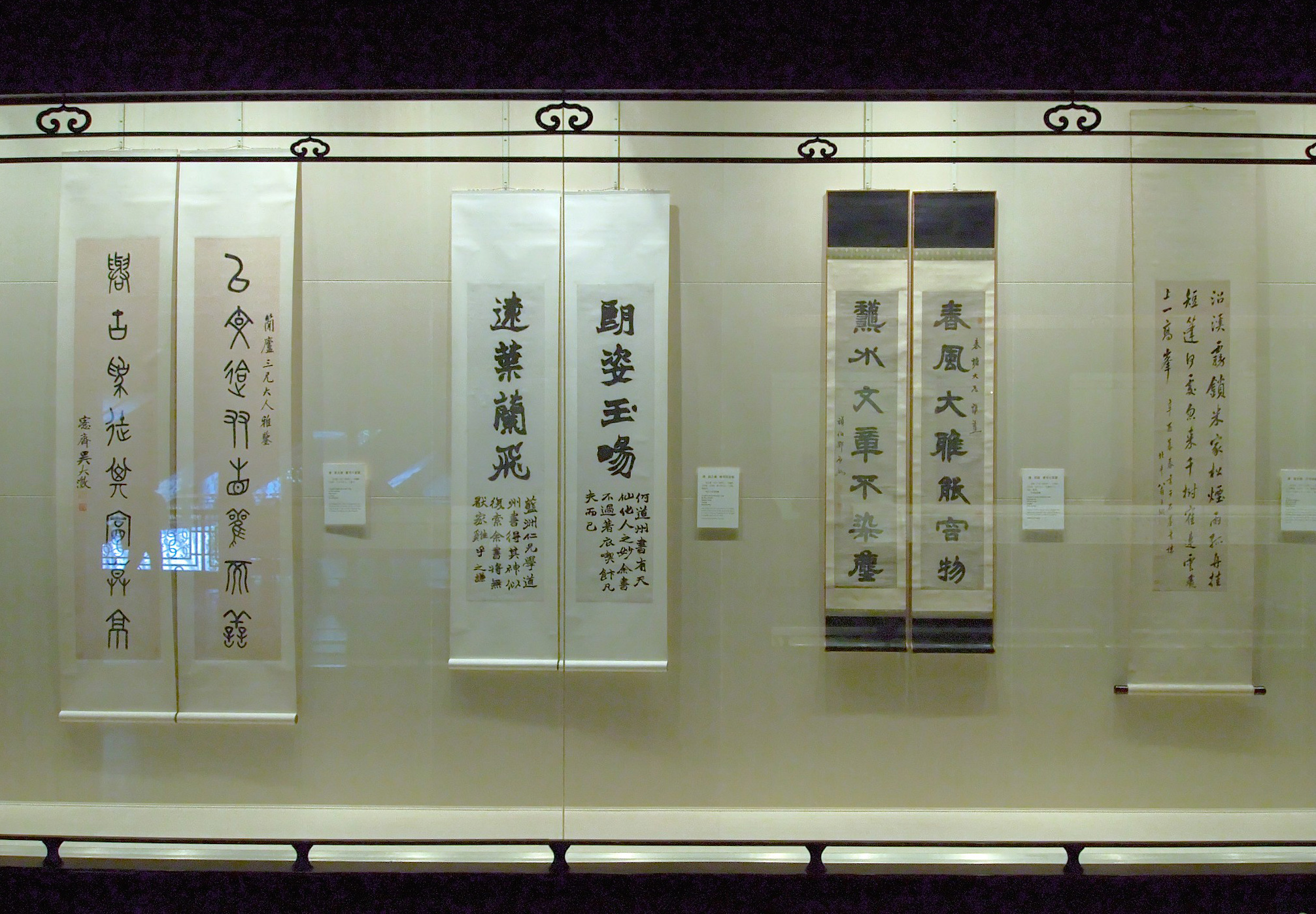
Hanging scroll mounting is a specialized craft focused on the presentation and preservation of East Asian paintings and calligraphy. Unlike handscrolls meant for table viewing, hanging scrolls are designed for vertical display, often temporarily, and are traditionally rolled for storage. The mounting process involves carefully attaching artwork to fabric borders and backing, culminating in a finished scroll ready for hanging. This technique is not merely functional; it's an art form in itself, enhancing the aesthetic appreciation of the artwork and ensuring its longevity. The materials and methods used, such as silk brocade and specific stitching patterns, are steeped in centuries of tradition and regional variation, reflecting a deep cultural understanding of art conservation and display.
🎵 Origins & History
The practice of mounting scrolls for display, known as daoxuan in Chinese and hyōgu in Japanese, traces its origins back over a thousand years in East Asia. Masters like Gu Kaizhi and later Dong Qichang influenced the standards of their presentation, solidifying mounting as an integral part of the artistic experience. This tradition was further refined and codified in Korea and Japan, each developing distinct stylistic nuances.
⚙️ How It Works
The process of mounting a hanging scroll is meticulous and requires specialized skills. It begins with preparing the artwork, which might involve reinforcing fragile areas with thin paper backing. The artwork is then carefully adhered to a primary silk border, often a rich brocade chosen for its complementary colors and patterns. This assembly is subsequently attached to a larger backing fabric, typically a neutral-toned silk or linen, which provides structural support. Wooden or ivory rollers, known as jiku, are affixed to the top and bottom edges, with the top roller often featuring decorative caps. Finally, a silk cord or fukusa is attached to the top roller for hanging. Each step, from the selection of materials to the precise stitching, is critical for both the aesthetic appeal and the preservation of the artwork, as demonstrated by techniques passed down through generations of hyōgushi (Japanese scroll mounters).
📊 Key Facts & Numbers
While precise global figures are elusive, the market for traditional East Asian art, including mounted scrolls, is substantial. The production of mounting silks alone involves a specialized industry, with certain silk weaving centers in China and Japan maintaining centuries-old traditions.
👥 Key People & Organizations
Key figures in the history of scroll mounting are often anonymous artisans, but prominent artists whose works are frequently mounted, thereby influencing standards, include Wang Xizhi, whose calligraphy is iconic, and Shen Zhou, a master of landscape painting. In Japan, the Urasenke tea ceremony school has long been a patron of high-quality scroll mounting, employing skilled hyōgushi to prepare scrolls for ceremonial use. Organizations such as the National Palace Museum in Taipei and the Tokyo National Museum house vast collections of mounted scrolls and employ conservators who specialize in their mounting and preservation. Contemporary artists and conservators like Toshiko Mori (though primarily an architect, she has engaged with traditional aesthetics) continue to explore the intersection of traditional crafts and modern design.
🌍 Cultural Impact & Influence
Hanging scroll mounting has profoundly influenced the aesthetic sensibilities and display practices in East Asia and beyond. It established a distinct visual language for presenting art, emphasizing verticality, the interplay of image and border, and the ephemeral nature of display. This tradition has permeated various aspects of culture, from the scrolls displayed in Zen Buddhist temples and tea ceremony rooms to their incorporation into modern interior design. The aesthetic principles of balance, harmony, and the careful selection of materials have also informed other decorative arts. Furthermore, the meticulous craftsmanship involved has contributed to the perception of East Asian art as requiring specialized knowledge and skill, influencing how it is collected, exhibited, and valued in global art markets, as seen in the curation at institutions like the Metropolitan Museum of Art.
⚡ Current State & Latest Developments
In the contemporary era, hanging scroll mounting continues to thrive, albeit with evolving challenges and innovations. While traditionalists adhere strictly to time-honored techniques, there's a growing interest in adapting these methods for modern contexts. Conservators are exploring new archival materials and adhesives to enhance longevity and minimize invasiveness, as exemplified by ongoing research at institutions like the Getty Conservation Institute. Younger generations of artists and artisans are also experimenting with contemporary designs and materials, sometimes integrating digital elements or unconventional fabrics into the mounting process. The demand for expertly mounted scrolls remains strong, particularly from collectors and cultural institutions, ensuring the continued practice of this ancient craft, as evidenced by workshops and apprenticeships offered by organizations like the Japan Traditional Crafts Aoyama Square.
🤔 Controversies & Debates
One significant debate revolves around the degree of intervention permissible in restoring or remounting historical scrolls. Purists argue for minimal alteration, preserving the original materials and techniques as much as possible, even if it means accepting some wear and tear. Others advocate for more comprehensive remounting using modern archival standards to ensure maximum longevity, even if it means replacing original materials. Another point of contention is the aesthetic interpretation of the mounting itself: should the silks and borders be purely subservient to the artwork, or can they actively contribute to its meaning and impact? This tension is evident when comparing the minimalist mounting styles favored in some Chanoyu contexts versus the more elaborate, decorative borders seen in other traditions. The authenticity of 'original' mounting versus 'restored' mounting is a constant discussion among collectors and curators.
🔮 Future Outlook & Predictions
The future of hanging scroll mounting appears to be a dynamic interplay between preservation and innovation. We can anticipate further advancements in conservation science, leading to even more effective and less intrusive mounting techniques, potentially utilizing nanotechnology for adhesive applications or advanced imaging for material analysis. There's also a growing potential for digital integration, where augmented reality might overlay information about the mounting process or historical context onto a physically displayed scroll. Furthermore, as global interest in traditional crafts continues, we may see more cross-cultural collaborations, blending East Asian mounting techniques with Western framing or display methods. The challenge will be to maintain the integrity and aesthetic spirit of the tradition while adapting to new technologies and artistic expressions, ensuring that scrolls remain relevant and cherished for centuries to come.
💡 Practical Applications
The primary application of hanging scroll mounting is, of course, the display and preservation of East Asian paintings and calligraphy. This technique is essential for artworks intended for temporary exhibition, such as during seasonal festivals or tea ceremony gatherings, where scrolls are rotated to reflect the time of year or occasion. Beyond fine art, the principles of scroll mounting are applied to other traditionally mounted items, including calligraphy samples, Sumi-e ink paintings, and even Ukiyo-e prints in some contexts. Conservators in museums like the Asian Art Museum in San Francisco utilize these techniques to prepare artifacts for public display and
Key Facts
- Category
- aesthetics
- Type
- topic