
Contents
Overview
The concept of engaging with nature for leisure has ancient roots, with early humans undoubtedly spending significant time outdoors for survival and sustenance. The Romantic era in the 18th and 19th centuries saw a rise in organized outdoor recreation as a reaction against industrialization and urbanization. Thinkers and artists like William Wordsworth championed the restorative power of nature, influencing movements like the National Parks movement. Early organized efforts included the establishment of conservancies and the promotion of activities like hiking and camping. The Boy Scouts movement, founded by Robert Baden-Powell, further popularized outdoor skills and nature engagement for youth. These precursors laid the groundwork for the diverse range of outdoor recreational activities enjoyed globally today.
⚙️ How It Works
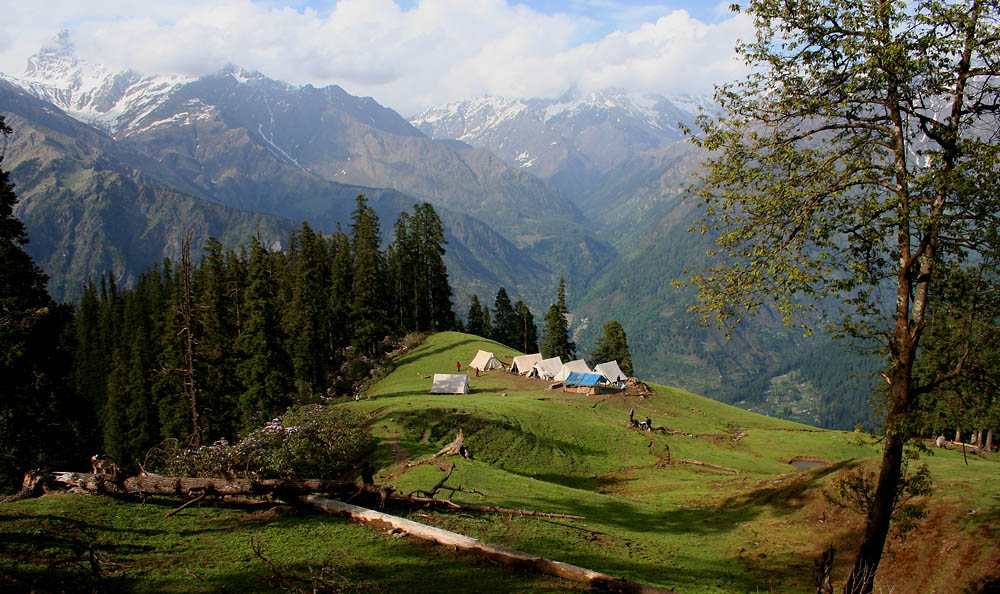
Outdoor recreation operates on a spectrum of engagement, from passive observation to active participation. At its simplest, it involves being present in a natural setting, such as a park or forest, for relaxation or contemplation. More active forms involve physical exertion like hiking, rock climbing, or kayaking. The "how it works" often depends on the specific activity and environment. For instance, backpacking requires planning, gear acquisition (tents, sleeping bags, navigation tools), and understanding Leave No Trace principles to minimize impact. Guided tours, often led by park rangers or certified guides, provide structured experiences, interpreting natural features and ensuring safety for participants. The underlying principle is interaction with the natural environment, often facilitated by specific gear, knowledge, and access to natural spaces.
📊 Key Facts & Numbers
The global outdoor recreation market is substantial. Camping alone saw a significant increase in participation during the COVID-19 pandemic. Hiking trails in national parks like Yellowstone often see many visitors annually. The outdoor gear market is also significant. Studies indicate that spending time in nature is associated with improved well-being, with a high percentage of people reporting that nature has a positive impact on their mental health.
👥 Key People & Organizations
Key figures in shaping outdoor recreation include John Muir, a fervent advocate for wilderness preservation and a founder of the Sierra Club, whose writings inspired the creation of national parks. Rachel Carson, through her seminal work Silent Spring, raised public awareness about environmental issues, indirectly bolstering the appreciation for pristine natural spaces. Organizations like the National Park Service (NPS) are crucial for managing and providing access to natural areas for recreation. Internationally, groups like the International Union for Conservation of Nature (IUCN) play a vital role in conservation policy that impacts outdoor recreational access. The Outdoor Industry Association (OIA) advocates for the business and policy interests of the outdoor industry.
🌍 Cultural Impact & Influence
Outdoor recreation profoundly influences culture by fostering a deep appreciation for the environment and promoting conservation ethics. It has inspired countless works of art, literature, and film, from Henry David Thoreau's Walden to modern documentaries on wilderness exploration. The rise of outdoor lifestyle brands like Patagonia and The North Face reflects its cultural resonance, embedding nature-inspired aesthetics and values into mainstream fashion and consumerism. Furthermore, outdoor recreation has become a significant driver of tourism, supporting local economies in gateway communities to natural attractions. It also plays a role in education, with outdoor learning programs and environmental education initiatives increasingly integrated into school curricula, aiming to cultivate future environmental stewards.
⚡ Current State & Latest Developments
In 2024, outdoor recreation is experiencing a surge in popularity, driven by a post-pandemic desire for health, wellness, and connection with nature. There's a growing trend towards "micro-adventures" – short, accessible trips close to home – and increased interest in activities like stand-up paddleboarding and trail running. Technology is also playing a larger role, with advancements in GPS devices, durable outdoor gear, and augmented reality apps that enhance nature interpretation. However, this increased participation is also leading to concerns about overcrowding and environmental impact in popular natural areas, prompting discussions about sustainable tourism and visitor management strategies. The development of urban green spaces and improved public transport to natural areas are also key developments.
🤔 Controversies & Debates
A significant debate surrounds the "commodification" of nature and outdoor recreation. Critics argue that the growth of the outdoor industry and the focus on expensive gear can create barriers to entry, making nature feel exclusive rather than accessible. There's also tension between preservationist ideals and recreational use, particularly in sensitive ecosystems. For instance, the debate over allowing mountain biking in certain wilderness areas highlights differing views on how to balance conservation with recreational access. Furthermore, the impact of climate change on natural environments directly threatens many outdoor recreational activities, leading to discussions about adaptation and the role of recreation in advocating for climate action. The question of who benefits from outdoor recreation and who has equitable access remains a persistent point of contention.
🔮 Future Outlook & Predictions
The future of outdoor recreation is likely to be shaped by continued technological integration, a greater emphasis on sustainability, and evolving demographic trends. Expect more personalized outdoor experiences, potentially driven by AI-powered recommendations and adaptive gear. The impact of climate change will necessitate greater resilience in planning and management, with a focus on activities less vulnerable to extreme weather. There's also a growing movement towards "rewilding" and regenerative tourism, where recreational activities actively contribute to ecological restoration. As global populations continue to urbanize, the demand for accessible, high-quality green spaces for recreation will only intensify, potentially leading to innovative urban planning solutions and increased investment in public lands. The challenge will be ensuring equitable access and minimizing environmental footprints.
💡 Practical Applications
Outdoor recreation has direct practical applications in physical and mental health, environmental education, and community development. For individuals, activities like walking, cycling, and gardening contribute to cardiovascular health, reduce stress, and improve mood. In education, outdoor programs provide hands-on learning experiences about ecology, conservation, and survival skills, fostering a deeper understanding of natural systems. Communities benefit from well-managed parks and trails through increased tourism revenue, improved public health outcomes, and enhanced quality of life. Furthermore, outdoor recreation can be a tool for social inclusion, bringing diverse groups together in shared experiences and promoting teamwork and leadership skills through organized activities like team-building exercises in natural settings.
Key Facts
- Category
- nature
- Type
- topic