
Contents
Overview
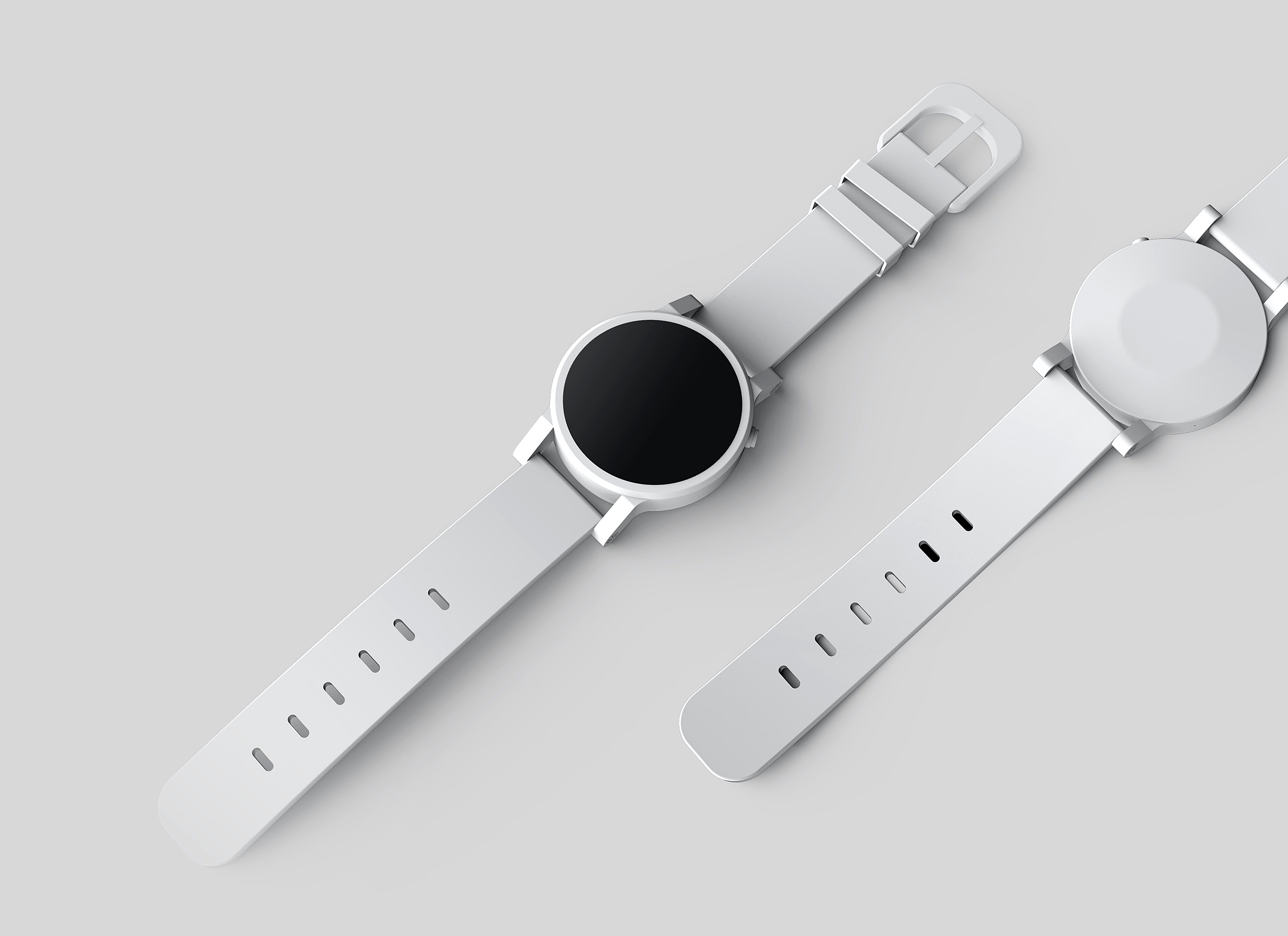
Wearable devices represent a dynamic intersection of fashion, technology, and personal data, encompassing a range of small, often wireless, electronic gadgets designed to be worn on the body. These devices, from the ubiquitous smartwatches and fitness trackers to more specialized smart clothing and augmented reality glasses, collect and transmit information about the wearer's health, activity, and environment. They leverage a variety of sensors—including accelerometers, gyroscopes, heart rate monitors, and GPS—to gather data that can provide immediate biofeedback or be analyzed for broader trends. As a key component of the Internet of Things, wearables are transforming personal health monitoring, communication, and even how we interact with the digital world, generating vast datasets that fuel both personal insights and corporate data strategies.
🎵 Origins & History
The concept of wearable technology predates modern microelectronics, with early examples like the calculator watches emerging in the 1970s. However, the modern era of wearables truly began to take shape in the late 1990s and early 2000s with the advent of more sophisticated sensors and miniaturized computing. Companies like Fitbit and Jawbone popularized the fitness tracker, making body-worn sensors accessible to the masses.
⚙️ How It Works
Wearable devices function by integrating miniaturized electronic components—including microprocessors, sensors, batteries, and wireless communication modules—into an accessory or garment. Sensors like accelerometers and gyroscopes detect motion and orientation, while optical sensors can measure heart rate and blood oxygen levels. GPS modules track location, and Bluetooth or Wi-Fi connectivity enables data transfer to smartphones or cloud platforms. Advanced wearables may also incorporate haptic feedback for alerts, NFC for contactless payments, and even small displays for user interaction. The collected data is processed by onboard algorithms or sent to companion apps for analysis, providing users with insights into their health, fitness, and daily activities.
📊 Key Facts & Numbers
The global wearable technology market is a multi-billion dollar industry. Shipments of wearable devices exceeded 400 million units worldwide. Smartwatches accounted for approximately 40% of these shipments, with fitness trackers making up another significant portion. North America and Europe represent the largest consumer markets, but the Asia-Pacific region is experiencing the fastest growth, driven by increasing disposable incomes and a growing awareness of health and wellness trends.
👥 Key People & Organizations
Key figures in the wearable device landscape include Steve Jobs, whose vision for integrated personal technology laid the groundwork for devices like the Apple Watch. James Park, co-founder and CEO of Fitbit, was instrumental in popularizing the fitness tracker category. Eric Migicovsky, founder of Pebble Technology, was an early pioneer in the smartwatch space, demonstrating significant consumer interest through a highly successful Kickstarter campaign. Major technology companies like Apple, Samsung, Google (through its acquisition of Fitbit), and Garmin are dominant players, driving innovation and market share through continuous product development and strategic acquisitions.
🌍 Cultural Impact & Influence
Wearable devices have profoundly impacted personal health management, empowering individuals to take a more proactive role in monitoring their well-being. They have also fostered new forms of social interaction and competition through shared fitness data and challenges on platforms like Strava. In fashion, wearables have blurred the lines between accessories and technology, leading to the rise of 'smart fashion' and designer collaborations. The data generated by wearables is also influencing fields like sports science, where athletes use them for performance optimization, and healthcare, where they are being explored for remote patient monitoring and early disease detection, as seen in studies utilizing Apple Watch ECG capabilities.
⚡ Current State & Latest Developments
The wearable market in 2024 is characterized by rapid iteration and the integration of more advanced health sensors. Apple continues to lead the smartwatch segment with its Apple Watch Series 9, focusing on health features like fall detection and blood oxygen monitoring. Samsung counters with its Samsung Galaxy Watch 6, emphasizing its integration within the Android ecosystem and advanced sleep tracking. The emergence of wearable AI assistants, capable of more contextual and proactive support, is a significant trend. Furthermore, advancements in battery technology and the development of flexible electronics are paving the way for more comfortable and discreet smart clothing and accessories.
🤔 Controversies & Debates
The potential for these devices to create a 'quantified self' obsession, leading to anxiety or unhealthy behaviors, is another area of concern, as discussed in critiques of the quantified self movement.
🔮 Future Outlook & Predictions
The future of wearables points towards greater integration and personalization. Expect to see more sophisticated biosensors capable of detecting a wider range of health indicators, such as glucose levels or stress hormones, potentially without invasive procedures. Augmented reality glasses are poised to become more mainstream, offering seamless integration of digital information into our physical environment. The development of brain-computer interfaces and advanced haptic feedback systems could lead to entirely new forms of interaction. Furthermore, the convergence of wearables with 5G networks and edge computing will enable real-time data processing and more responsive, intelligent devices, potentially revolutionizing remote healthcare and immersive entertainment.
💡 Practical Applications
Wearable devices have a wide array of practical applications across various sectors. In fitness and sports, they track performance metrics, guide training, and monitor recovery. For health and wellness, they provide continuous monitoring of vital signs, aid in managing chronic conditions, and promote healthier lifestyles. In communication, smartwatches offer quick access to notifications, calls, and messages. For productivity, they can facilitate contactless payments, provide navigation, and act as remote controls for other devices. The military and industrial sectors also utilize specialized wearables for enhanced situational awareness, safety monitoring, and communication in demanding environments.
Key Facts
- Category
- technology
- Type
- technology