
Contents
- 🌐 Introduction to Quantum Computing
- 💻 How Quantum Computing Works
- 🔍 Quantum Computing Applications
- 🚀 Quantum Computing and Artificial Intelligence
- 🔒 Quantum Computing Security
- 📊 Quantum Computing and Machine Learning
- 🌈 Quantum Computing and Materials Science
- 🤝 Quantum Computing and Collaboration
- 📈 Quantum Computing Market and Trends
- 🚫 Quantum Computing Challenges
- 🔜 Quantum Computing Future
- 📚 Quantum Computing Resources
- Frequently Asked Questions
- Related Topics
Overview
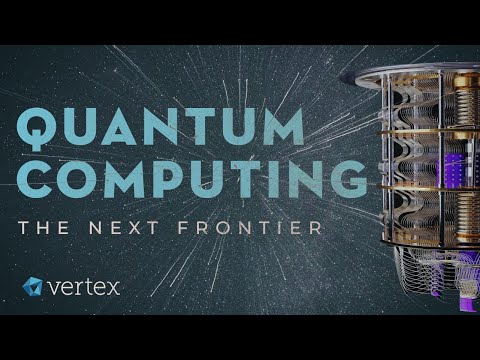
Quantum computing is a revolutionary technology that harnesses the principles of quantum mechanics to perform calculations that are exponentially faster and more powerful than classical computers. This is achieved through the use of quantum bits or qubits, which can exist in multiple states simultaneously, allowing for parallel processing on an unprecedented scale. The potential applications of quantum computing are vast, ranging from cryptography and optimization problems to simulations and machine learning. However, the development of quantum computing is not without its challenges, including the need for extremely low temperatures and the mitigation of quantum noise. Despite these hurdles, companies like Google, IBM, and Microsoft are actively investing in quantum computing research, with notable breakthroughs such as Google's 53-qubit quantum processor, Sycamore, which demonstrated quantum supremacy in 2019. As the field continues to advance, we can expect to see significant impacts on various industries, from finance to healthcare, with the potential to solve complex problems that were previously unsolvable, such as simulating the behavior of molecules for drug discovery, with a projected market size of $65 billion by 2027, according to a report by McKinsey.
🌐 Introduction to Quantum Computing
Quantum computing is a new paradigm for computing that uses the principles of quantum mechanics to perform calculations. Quantum Mechanics is a branch of physics that studies the behavior of matter and energy at the smallest scales. Quantum computing has the potential to solve complex problems that are currently unsolvable with traditional computers. Traditional Computing is based on bits and bytes, whereas quantum computing uses quantum bits or qubits. The development of quantum computing is a rapidly evolving field, with many researchers and companies working on Quantum Computing Hardware and Quantum Computing Software.
💻 How Quantum Computing Works
Quantum computing works by using qubits to perform calculations. Qubits are unique because they can exist in multiple states simultaneously, which allows them to process multiple possibilities at the same time. This property is known as superposition. Superposition is a fundamental concept in quantum mechanics. Quantum computing also uses another property called entanglement, which allows qubits to be connected and affect each other even when they are separated by large distances. Entanglement is a key feature of quantum computing. The combination of superposition and entanglement enables quantum computers to perform calculations that are beyond the capabilities of traditional computers.
🔍 Quantum Computing Applications
Quantum computing has many potential applications, including Cryptography, Optimization, and Simulation. Quantum computers can break many encryption algorithms currently in use, but they can also be used to create new, quantum-resistant encryption methods. Quantum Key Distribution is a method of secure communication that uses quantum mechanics to encode and decode messages. Quantum computers can also be used to optimize complex systems, such as Logistics and Finance. Portfolio Optimization is a technique used to optimize investment portfolios.
🚀 Quantum Computing and Artificial Intelligence
Quantum computing and artificial intelligence are closely related fields. Artificial Intelligence is a field of computer science that focuses on creating intelligent machines. Quantum computing can be used to speed up certain machine learning algorithms, which are a key component of artificial intelligence. Machine Learning is a type of artificial intelligence that enables machines to learn from data. Quantum computers can also be used to simulate complex systems, which can be used to train machine learning models. Neural Networks are a type of machine learning model that can be used for image recognition and natural language processing.
🔒 Quantum Computing Security
Quantum computing has significant implications for security. Quantum Computing Security is a field of study that focuses on the security implications of quantum computing. Quantum computers can break many encryption algorithms currently in use, which could compromise the security of many systems. Encryption is a method of secure communication that uses algorithms to encode and decode messages. However, quantum computers can also be used to create new, quantum-resistant encryption methods. Post-Quantum Cryptography is a field of study that focuses on developing encryption methods that are resistant to quantum computers.
📊 Quantum Computing and Machine Learning
Quantum computing and machine learning are closely related fields. Machine Learning is a type of artificial intelligence that enables machines to learn from data. Quantum computers can be used to speed up certain machine learning algorithms, which can be used for image recognition and natural language processing. Natural Language Processing is a field of study that focuses on the interaction between computers and humans. Quantum computers can also be used to simulate complex systems, which can be used to train machine learning models. Reinforcement Learning is a type of machine learning that enables machines to learn from trial and error.
🌈 Quantum Computing and Materials Science
Quantum computing has many potential applications in materials science. Materials Science is a field of study that focuses on the properties and applications of materials. Quantum computers can be used to simulate the behavior of materials at the atomic level, which can be used to design new materials with unique properties. Nanotechnology is a field of study that focuses on the manipulation of matter at the nanoscale. Quantum computers can also be used to optimize the properties of materials, such as Superconductivity and Magnetism.
🤝 Quantum Computing and Collaboration
Quantum computing is a collaborative field that requires the expertise of many different researchers and engineers. Collaboration is a key component of quantum computing research. Many companies and organizations are working together to develop quantum computing hardware and software. Quantum Computing Hardware and Quantum Computing Software are being developed by many different companies and organizations. The development of quantum computing is a rapidly evolving field, with many new breakthroughs and discoveries being made every year.
📈 Quantum Computing Market and Trends
The market for quantum computing is growing rapidly, with many companies and organizations investing in quantum computing research and development. Quantum Computing Market is a rapidly evolving field, with many new companies and products emerging every year. The market for quantum computing is expected to grow significantly in the next few years, with many potential applications in fields such as Cryptography and Optimization. Venture Capital firms are investing heavily in quantum computing startups, which are developing new quantum computing hardware and software.
🚫 Quantum Computing Challenges
Despite the many potential benefits of quantum computing, there are also many challenges that must be overcome. Quantum Computing Challenges include the development of reliable and scalable quantum computing hardware and software. Error Correction is a key challenge in quantum computing, as quantum computers are prone to errors due to the noisy nature of quantum systems. Quantum Noise is a key challenge in quantum computing, as it can cause errors in quantum computations.
🔜 Quantum Computing Future
The future of quantum computing is uncertain, but it has the potential to revolutionize many fields. Quantum Computing Future is a rapidly evolving field, with many new breakthroughs and discoveries being made every year. Quantum computing has the potential to solve complex problems that are currently unsolvable with traditional computers. Complex Problems such as Climate Modeling and Financial Modeling can be solved using quantum computers.
📚 Quantum Computing Resources
There are many resources available for learning about quantum computing, including online courses and textbooks. Quantum Computing Resources include Online Courses and Textbooks. Many universities and organizations offer courses and degree programs in quantum computing. Quantum Computing Degree Programs are available at many universities around the world.
Key Facts
- Year
- 1982
- Origin
- Paul Benioff's proposal of a quantum mechanical model of the Turing machine
- Category
- Emerging Technology
- Type
- Technology Concept
- Format
- what-is
Frequently Asked Questions
What is quantum computing?
Quantum computing is a new paradigm for computing that uses the principles of quantum mechanics to perform calculations. Quantum computing has the potential to solve complex problems that are currently unsolvable with traditional computers. Quantum Mechanics is a branch of physics that studies the behavior of matter and energy at the smallest scales.
How does quantum computing work?
Quantum computing works by using qubits to perform calculations. Qubits are unique because they can exist in multiple states simultaneously, which allows them to process multiple possibilities at the same time. This property is known as superposition. Superposition is a fundamental concept in quantum mechanics. Quantum computing also uses another property called entanglement, which allows qubits to be connected and affect each other even when they are separated by large distances.
What are the potential applications of quantum computing?
Quantum computing has many potential applications, including Cryptography, Optimization, and Simulation. Quantum computers can break many encryption algorithms currently in use, but they can also be used to create new, quantum-resistant encryption methods. Quantum Key Distribution is a method of secure communication that uses quantum mechanics to encode and decode messages.
What is the current state of quantum computing research?
The current state of quantum computing research is rapidly evolving, with many new breakthroughs and discoveries being made every year. Many companies and organizations are working together to develop quantum computing hardware and software. Quantum Computing Hardware and Quantum Computing Software are being developed by many different companies and organizations.
What are the challenges of quantum computing?
Despite the many potential benefits of quantum computing, there are also many challenges that must be overcome. Quantum Computing Challenges include the development of reliable and scalable quantum computing hardware and software. Error Correction is a key challenge in quantum computing, as quantum computers are prone to errors due to the noisy nature of quantum systems.
What is the future of quantum computing?
The future of quantum computing is uncertain, but it has the potential to revolutionize many fields. Quantum Computing Future is a rapidly evolving field, with many new breakthroughs and discoveries being made every year. Quantum computing has the potential to solve complex problems that are currently unsolvable with traditional computers.
What resources are available for learning about quantum computing?
There are many resources available for learning about quantum computing, including online courses and textbooks. Quantum Computing Resources include Online Courses and Textbooks. Many universities and organizations offer courses and degree programs in quantum computing.