
Contents
- 🔍 Introduction to Imposter Syndrome
- 💡 The History of Imposter Syndrome
- 📊 Prevalence and Demographics
- 🤝 The Role of Social Media
- 📚 Signs and Symptoms
- 👥 Imposter Syndrome in the Workplace
- 📈 Overcoming Imposter Syndrome
- 🤕 The Impact on Mental Health
- 📝 Treatment and Therapy
- 👫 Support Systems and Community
- 🔮 Conclusion and Future Directions
- Frequently Asked Questions
- Related Topics
Overview
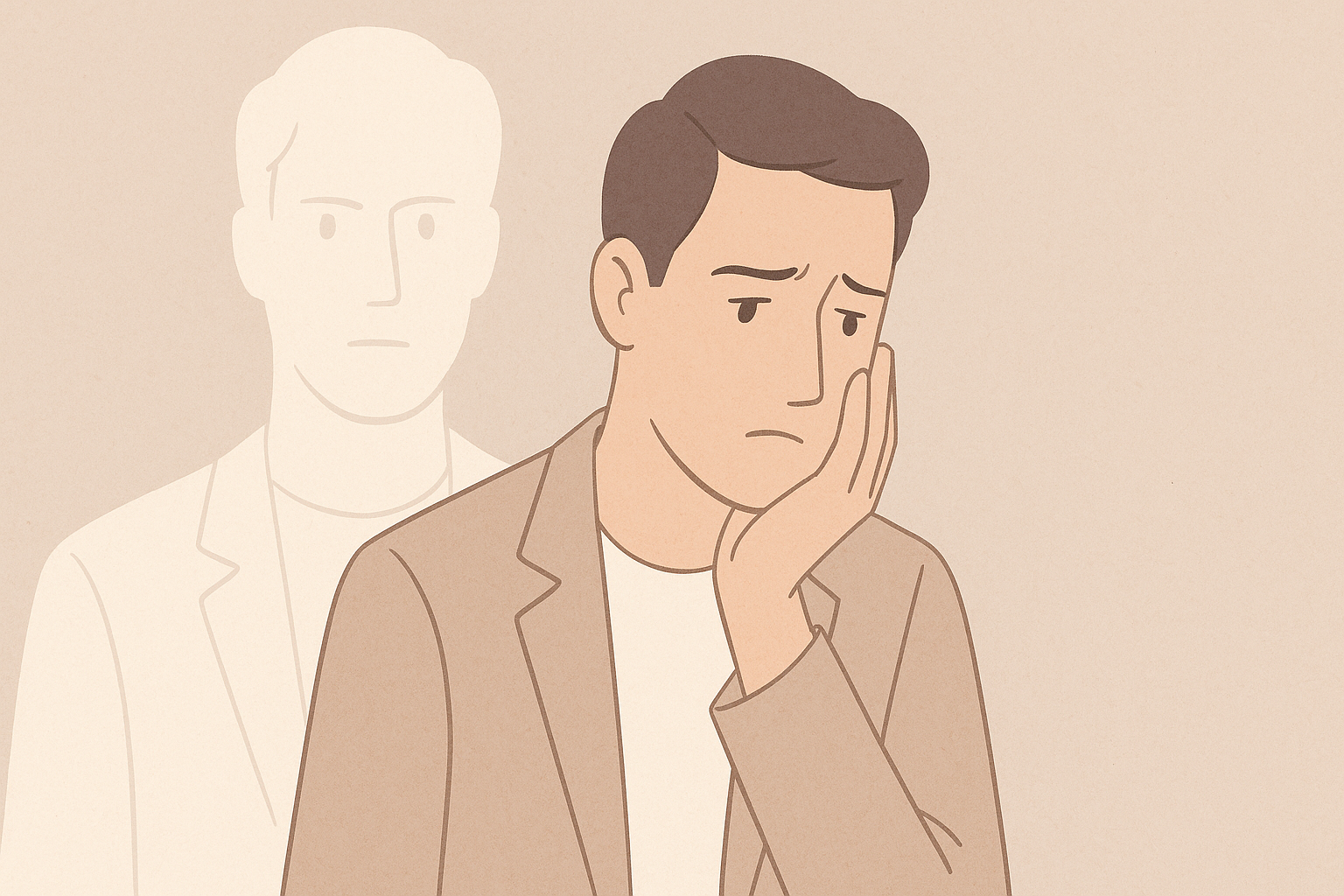
Imposter syndrome is a pervasive psychological pattern where individuals doubt their accomplishments and fear being exposed as 'impostors', despite external evidence of their competence. First identified by psychologists Pauline Clance and Suzanne Imes in 1978, this phenomenon affects an estimated 70% of the population, with high-achieving women and minorities being disproportionately affected. The syndrome is characterized by feelings of inadequacy, self-doubt, and anxiety, which can lead to burnout and decreased job satisfaction. Researchers have linked imposter syndrome to factors such as perfectionism, social media, and the pressure to conform to societal expectations. Notable figures like Maya Angelou, Neil Gaiman, and Sheryl Sandberg have publicly spoken about their struggles with imposter syndrome, highlighting its prevalence and impact. As the conversation around mental health and self-acceptance continues to grow, understanding and addressing imposter syndrome has become increasingly important, with many experts advocating for a shift in cultural narratives and workplace policies to support individuals struggling with this phenomenon.
🔍 Introduction to Imposter Syndrome
Imposter syndrome is a psychological pattern where individuals doubt their accomplishments and fear being exposed as a fraud. This phenomenon was first identified by psychologists Pauline Clance and Suzanne Imes in 1978. According to their research, imposter syndrome is more common among high-achieving individuals, particularly women. The concept has gained significant attention in recent years, with many people sharing their experiences with imposter syndrome on social media platforms like Twitter and Facebook. The Imposter Syndrome phenomenon has been widely discussed in the context of mental health and self-care.
💡 The History of Imposter Syndrome
The history of imposter syndrome dates back to the 1970s, when Clance and Imes conducted their pioneering research. They found that many successful women felt like imposters, despite their achievements. This feeling of inadequacy was often accompanied by anxiety and self-doubt. The concept of imposter syndrome has since been expanded to include men and individuals from diverse backgrounds. Researchers like Amy Cuddy have explored the relationship between imposter syndrome and body language. The Imposter Syndrome concept has also been linked to self-esteem and confidence.
📊 Prevalence and Demographics
Studies have shown that imposter syndrome affects approximately 70% of the population at some point in their lives. This phenomenon is not limited to any particular demographic, but it is more common among certain groups, such as women in STEM fields and minority groups. The prevalence of imposter syndrome can be attributed to various factors, including societal pressure, social media, and education system. Researchers have also explored the relationship between imposter syndrome and mental health disorders, such as anxiety and depression. The Imposter Syndrome phenomenon has been discussed in the context of psychology and sociology.
📚 Signs and Symptoms
The signs and symptoms of imposter syndrome can vary from person to person, but common characteristics include self-doubt, fear of failure, and a tendency to attribute success to luck rather than ability. Individuals with imposter syndrome may also experience anxiety, stress, and burnout. It is essential to recognize these symptoms and seek help if they persist. Researchers have developed various assessment tools, such as the Clance Impostor Scale, to help identify imposter syndrome. The Imposter Syndrome phenomenon has been linked to self-esteem and confidence.
👥 Imposter Syndrome in the Workplace
Imposter syndrome can have a significant impact on an individual's career and overall well-being. In the workplace, imposter syndrome can lead to decreased productivity, job satisfaction, and career advancement. It is essential for organizations to create a supportive environment that encourages employees to share their concerns and feelings. Managers and human resources professionals can play a crucial role in promoting mental health awareness and providing resources for employees struggling with imposter syndrome. The Imposter Syndrome phenomenon has been discussed in the context of workplace culture and employee wellness.
📈 Overcoming Imposter Syndrome
Overcoming imposter syndrome requires a combination of self-awareness, self-acceptance, and support system. Individuals can start by recognizing their achievements and acknowledging their strengths. It is also essential to reframe negative self-talk and focus on positive affirmations. Building a support network of friends, family, or a therapist can help individuals cope with imposter syndrome. Researchers have developed various strategies, such as cognitive-behavioral therapy, to help individuals overcome imposter syndrome. The Imposter Syndrome phenomenon has been linked to self-esteem and confidence.
🤕 The Impact on Mental Health
Imposter syndrome can have a significant impact on an individual's mental health, leading to increased stress, anxiety, and depression. It is essential to recognize the signs and symptoms of imposter syndrome and seek help if they persist. Researchers have found that imposter syndrome can be a precursor to more severe mental health disorders, such as burnout and anxiety disorders. It is crucial to address imposter syndrome early on and provide individuals with the necessary resources and support. The Imposter Syndrome phenomenon has been discussed in the context of mental health and self-care.
📝 Treatment and Therapy
Treatment and therapy can be effective in overcoming imposter syndrome. Cognitive-behavioral therapy is a commonly used approach that helps individuals identify and challenge negative thought patterns. Other therapies, such as psychodynamic therapy and mindfulness-based therapy, can also be beneficial. It is essential to work with a qualified therapist who has experience in treating imposter syndrome. Researchers have also developed various online resources and self-help books to help individuals cope with imposter syndrome. The Imposter Syndrome phenomenon has been linked to self-esteem and confidence.
👫 Support Systems and Community
Having a support system in place can be crucial in overcoming imposter syndrome. This can include friends, family, or a therapist who can provide emotional support and guidance. Joining a support group or online community can also be beneficial, as it allows individuals to connect with others who are experiencing similar feelings. Researchers have found that social support can play a significant role in mitigating the effects of imposter syndrome. The Imposter Syndrome phenomenon has been discussed in the context of social support and mental health.
🔮 Conclusion and Future Directions
In conclusion, imposter syndrome is a common phenomenon that can have a significant impact on an individual's mental health and well-being. It is essential to recognize the signs and symptoms of imposter syndrome and seek help if they persist. By promoting mental health awareness and providing resources for individuals struggling with imposter syndrome, we can work towards creating a more supportive and inclusive environment. The Imposter Syndrome phenomenon has been linked to self-esteem and confidence. As we move forward, it is crucial to continue researching and addressing imposter syndrome to promote better mental health outcomes.
Key Facts
- Year
- 1978
- Origin
- Pauline Clance and Suzanne Imes
- Category
- Psychology
- Type
- Psychological Concept
- Format
- what-is
Frequently Asked Questions
What is imposter syndrome?
Imposter syndrome is a psychological pattern where individuals doubt their accomplishments and fear being exposed as a fraud. This phenomenon was first identified by psychologists Pauline Clance and Suzanne Imes in 1978. According to their research, imposter syndrome is more common among high-achieving individuals, particularly women. The concept has gained significant attention in recent years, with many people sharing their experiences with imposter syndrome on social media platforms like Twitter and Facebook.
What are the signs and symptoms of imposter syndrome?
The signs and symptoms of imposter syndrome can vary from person to person, but common characteristics include self-doubt, fear of failure, and a tendency to attribute success to luck rather than ability. Individuals with imposter syndrome may also experience anxiety, stress, and burnout. It is essential to recognize these symptoms and seek help if they persist. Researchers have developed various assessment tools, such as the Clance Impostor Scale, to help identify imposter syndrome.
How can I overcome imposter syndrome?
Overcoming imposter syndrome requires a combination of self-awareness, self-acceptance, and support system. Individuals can start by recognizing their achievements and acknowledging their strengths. It is also essential to reframe negative self-talk and focus on positive affirmations. Building a support network of friends, family, or a therapist can help individuals cope with imposter syndrome. Researchers have developed various strategies, such as cognitive-behavioral therapy, to help individuals overcome imposter syndrome.
Is imposter syndrome a mental health disorder?
Imposter syndrome is not a formally recognized mental health disorder in the Diagnostic and Statistical Manual of Mental Disorders (DSM-5). However, it can be a precursor to more severe mental health disorders, such as burnout and anxiety disorders. It is essential to address imposter syndrome early on and provide individuals with the necessary resources and support. Researchers have found that imposter syndrome can have a significant impact on an individual's mental health and well-being.
How can I help someone with imposter syndrome?
Helping someone with imposter syndrome requires empathy, understanding, and support. It is essential to create a safe and non-judgmental space for the individual to share their feelings and concerns. Encouraging the individual to seek professional help, such as therapy or counseling, can also be beneficial. Researchers have found that social support can play a significant role in mitigating the effects of imposter syndrome. By promoting mental health awareness and providing resources for individuals struggling with imposter syndrome, we can work towards creating a more supportive and inclusive environment.
Can imposter syndrome affect anyone?
Yes, imposter syndrome can affect anyone, regardless of their background, education, or profession. However, it is more common among high-achieving individuals, particularly women and minority groups. Researchers have found that imposter syndrome can affect individuals from diverse backgrounds and industries, including academia, business, and arts. It is essential to recognize that imposter syndrome is a common phenomenon and that seeking help is a sign of strength, not weakness.
How can I prevent imposter syndrome?
Preventing imposter syndrome requires a combination of self-awareness, self-acceptance, and support system. Individuals can start by recognizing their achievements and acknowledging their strengths. It is also essential to reframe negative self-talk and focus on positive affirmations. Building a support network of friends, family, or a therapist can help individuals cope with imposter syndrome. Researchers have developed various strategies, such as cognitive-behavioral therapy, to help individuals overcome imposter syndrome. By promoting mental health awareness and providing resources for individuals struggling with imposter syndrome, we can work towards creating a more supportive and inclusive environment.