
Contents
- ⚙️ What is a Parking Brake?
- ✋ Types of Parking Brakes
- 🚗 How it Works (The Engineering)
- ⚠️ When to Use Your Parking Brake
- 🤔 Parking Brake vs. Emergency Brake
- 🛠️ Maintenance & Common Issues
- 💰 Cost of Repair
- ⭐ User Reviews & Reliability
- 💡 Pro Tips for Parking Brake Use
- 📞 Getting Service
- Frequently Asked Questions
- Related Topics
Overview
The parking brake, also known as the handbrake or emergency brake, is a crucial mechanical or electronic system designed to keep a vehicle stationary when parked. It operates independently of the main hydraulic braking system, typically engaging the rear wheels through cables or a dedicated caliper. While often overlooked, its proper function is vital for preventing rollaways, especially on inclines, and can serve as a backup in case of primary brake failure. Understanding its types, operation, and maintenance ensures safety and prevents costly repairs.
⚙️ What is a Parking Brake?
The parking brake is a crucial safety system in any motor vehicle, designed to hold your car stationary when parked. It's a mechanical system, distinct from your primary hydraulic braking system, that engages a separate set of brakes, typically on the rear wheels. While often called an 'e-brake' or 'emergency brake,' its primary function is static holding, though it can serve as a backup in a true braking emergency. Understanding its operation is key to safe vehicle operation and preventing unintended rolling.
✋ Types of Parking Brakes
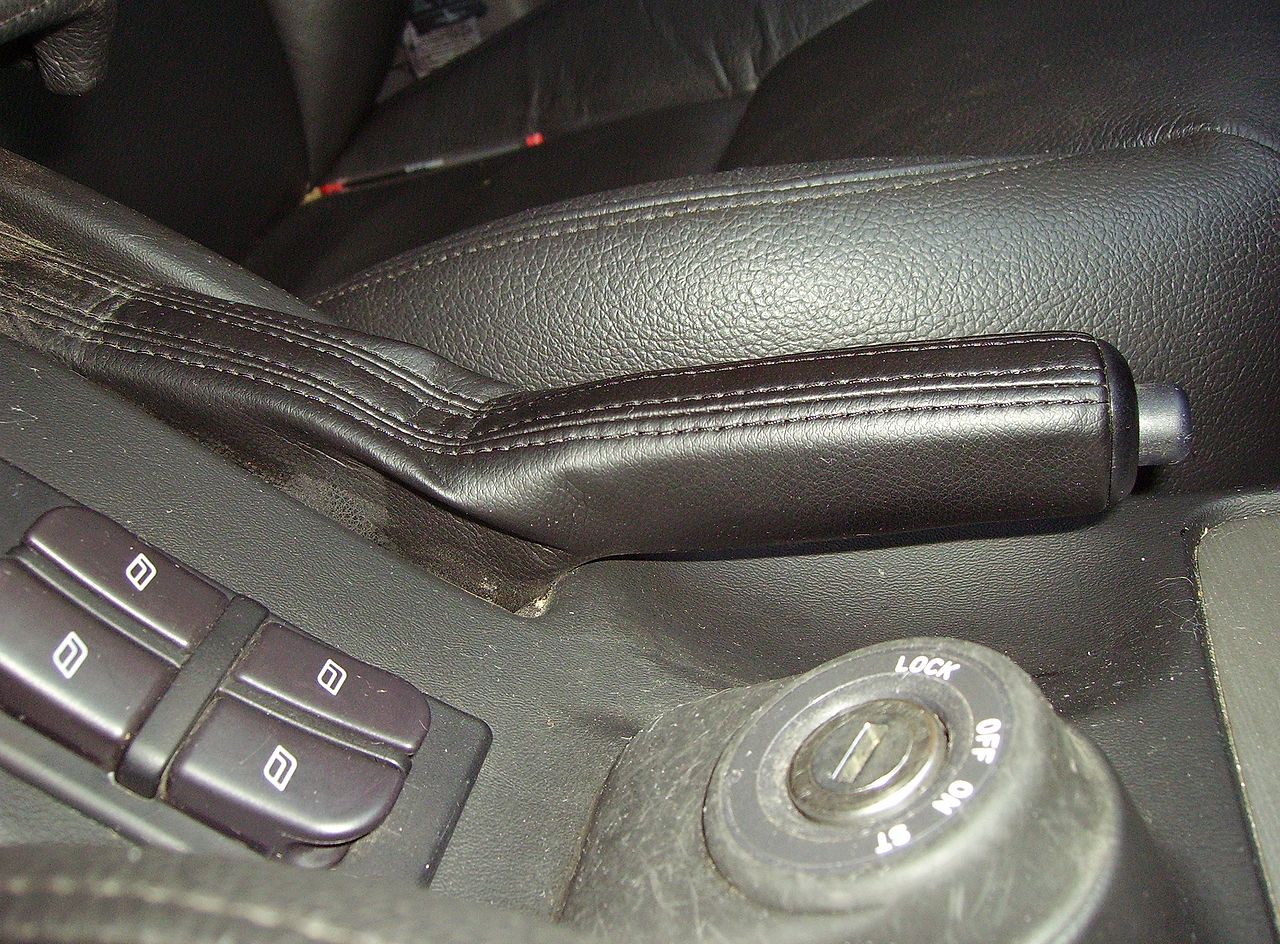
Parking brakes come in a few common forms. The most traditional is the handbrake lever, usually found between the front seats, which you pull upwards. Some older vehicles, and even some modern trucks, feature a pull handle mounted on the steering column. Increasingly common is the foot-operated parking brake, a pedal located to the left of the main brake pedal. Each type offers a different user experience but serves the same fundamental purpose of securing the vehicle.
🚗 How it Works (The Engineering)
At its heart, the parking brake is a mechanical linkage. When you engage the lever, handle, or pedal, you're pulling a parking brake cable. This cable is connected to a mechanism at the rear wheels that applies friction, similar to your regular brakes but often with less force. In most cars, this system bypasses the hydraulic components of your main brakes, relying solely on mechanical force to keep the wheels from turning. Some modern vehicles are transitioning to electronic parking brakes, which use electric motors to actuate the brakes.
⚠️ When to Use Your Parking Brake
The most obvious time to use your parking brake is whenever you park your vehicle, especially on any incline. It provides an essential layer of security against your car rolling away. Beyond standard parking, it can be used in an emergency if your main hydraulic brakes fail, allowing you to slow down and stop the vehicle, albeit with less control. Some drivers also use it for specific maneuvers like handbrake turns in performance driving, though this is not its intended everyday use.
🤔 Parking Brake vs. Emergency Brake
While often used interchangeably, 'parking brake' and 'emergency brake' aren't precisely the same. The term 'parking brake' accurately describes its primary role: securing the vehicle when parked. 'Emergency brake' highlights its secondary function as a backup system if your main brakes fail. However, the mechanisms are usually identical. The key distinction lies in the intended use case, with the parking brake being a daily necessity and the emergency brake a critical, albeit rarely needed, safety net.
🛠️ Maintenance & Common Issues
Like any mechanical system, parking brakes require maintenance. Parking brake cables can stretch over time, reducing their effectiveness, or they can corrode and seize. The brake shoes or pads that the parking brake engages may also wear down. Signs of trouble include the parking brake not holding the vehicle firmly, requiring excessive force to engage, or a feeling of looseness in the lever or pedal. Regular checks during vehicle maintenance are advised.
💰 Cost of Repair
The cost to repair or replace a parking brake system varies significantly. Simple adjustments to tighten a stretched cable might cost between $50-$100. However, if cables need replacement, or if the brake shoes/pads at the rear wheels are worn and need servicing, the cost can range from $150 to $400 or more, depending on the vehicle and labor rates. Electronic parking brake systems can be more complex and costly to repair, potentially running into several hundred dollars for module replacement.
⭐ User Reviews & Reliability
User feedback on parking brakes is generally positive, emphasizing their role in preventing accidents. Reliability is typically high for well-maintained systems. However, issues like seized cables due to infrequent use or exposure to harsh weather are common complaints. Owners of vehicles with electronic parking brakes sometimes report sensor issues or unexpected engagement/disengagement, though these systems offer convenience features like automatic parking.
💡 Pro Tips for Parking Brake Use
Always engage your parking brake when parking, even on flat surfaces, as a best practice. If you drive a manual transmission vehicle, use the parking brake in addition to putting the car in gear. On hills, turn your front wheels away from the curb when parking downhill, and towards the curb when parking uphill, so that if the brake fails, the wheels act as a final block. Regularly test your parking brake's holding power by gently trying to roll the car forward after engaging it.
📞 Getting Service
If you suspect your parking brake isn't working correctly, or if you need a routine check, it's best to consult a qualified mechanic. You can find reputable auto repair shops in your area through online directories or by asking for recommendations. Most shops offer free estimates, so you can get a clear idea of the cost before authorizing any work. Don't delay repairs, as a faulty parking brake is a significant safety concern.
Key Facts
- Year
- 1900
- Origin
- Automotive Engineering
- Category
- Automotive Systems
- Type
- System
Frequently Asked Questions
Can I use my parking brake to stop the car in an emergency?
Yes, you can use your parking brake to help stop the car in an emergency if your main brakes fail. However, it's important to understand that it typically engages only the rear wheels and may not provide the same stopping power or control as your primary braking system. Use it gradually to avoid locking up the rear wheels and losing control.
How often should I use my parking brake?
It's recommended to use your parking brake every time you park your vehicle, regardless of whether you're on a flat surface or an incline. Regular use helps keep the mechanism lubricated and prevents components from seizing due to lack of activity, especially in areas with snow, salt, or heavy moisture.
What does it mean if my parking brake light stays on?
If the parking brake warning light remains illuminated after you've fully disengaged the parking brake, it usually indicates a problem. This could be a malfunctioning sensor, a brake fluid level issue, or a problem with the parking brake mechanism itself. It's advisable to have this checked by a mechanic promptly.
My parking brake feels loose. What should I do?
A loose parking brake often means the cables have stretched over time and need adjustment or replacement. This reduces the effectiveness of the brake. You should take your vehicle to a mechanic to have the parking brake system inspected and adjusted or repaired.
Are electronic parking brakes better than manual ones?
Electronic parking brakes (EPBs) offer convenience features like automatic engagement and disengagement, hill-hold assist, and a cleaner interior design. However, they can be more complex and expensive to repair than traditional manual systems. Reliability is generally good, but mechanical systems are often considered simpler and easier to service.